[et_pb_section fb_built=”1″ admin_label=”section” _builder_version=”4.16″ global_colors_info=”{}”][et_pb_row admin_label=”row” _builder_version=”4.16″ background_size=”initial” background_position=”top_left” background_repeat=”repeat” global_colors_info=”{}”][et_pb_column type=”4_4″ _builder_version=”4.16″ custom_padding=”|||” global_colors_info=”{}” custom_padding__hover=”|||”][et_pb_text admin_label=”Text” _builder_version=”4.27.4″ background_size=”initial” background_position=”top_left” background_repeat=”repeat” hover_enabled=”0″ global_colors_info=”{}” sticky_enabled=”0″]
Some properties face more serious security risks than others. Places like warehouses, hospitals, data centers, or cannabis facilities often deal with valuable items, sensitive information, or large numbers of people. That makes them more likely to be targeted for theft, break-ins, or even sabotage. In these cases, basic security measures aren’t enough.
CCTV cameras can make a big difference by helping you see what’s happening in real time, spot issues early, and keep a record of any incidents. But for cameras to actually improve security, they need to be placed correctly and use the right features.
Read this blog to understand how CCTV systems help protect high-risk properties, what to look for in a setup, and mistakes to avoid.
What Makes a Property High-Risk?
A property is considered high-risk when it faces a greater chance of theft, damage, or safety threats. This could be due to the type of work done on-site, the value of items stored, or the number of people coming and going each day.
For example, banks, data centers, warehouses, and cannabis facilities often deal with expensive goods or sensitive information. Schools, hospitals, and public buildings are also high-risk because they need to protect people, not just property.
These sites are more likely to be targeted by criminals or exposed to accidents and internal issues. Because of these risks, more robust and sophisticated security systems are needed to monitor activity, control access, and respond quickly when something goes wrong.
How CCTV Cameras Help Secure High-Risk Locations
In high-risk environments, surveillance plays a much larger role than just watching footage. Today, CCTV systems actively support safety, prevention, and accountability across the entire site.
Let’s look at how CCTV systems help protect high-risk properties in different ways:
Provide Continuous Monitoring Across Vulnerable Areas
High-risk properties often have large layouts with many access points. CCTV cameras help keep a constant watch on entryways, perimeters, and blind spots where threats may go unnoticed.
This kind of continuous monitoring gives security teams better visibility, especially during off-hours or in areas that staff can’t patrol regularly. It also helps identify unusual patterns or behaviors early, before they become problems.
With the right placement, you can stay informed about activity across the entire property without needing someone on-site at all times.
Enable Real-Time Alerts During Suspicious Activity
Modern CCTV systems do more than just record; they actively respond as well. Cameras equipped with motion detection and intelligent analytics can send alerts the moment something unusual happens.
For example, if someone enters a restricted area after hours, the system can notify the security team instantly. This kind of early warning allows for a faster response, which is critical in high-risk settings where time matters.
Real-time alerts help shift surveillance from reactive to proactive, giving teams a better chance to step in before the situation gets worse.
Help Prevent Incidents Before They Escalate
Visible cameras often act as a powerful deterrent. People are less likely to steal, trespass, or damage property when they know they’re being watched. In high-risk properties, this added layer of awareness can stop incidents before they start.
When paired with features like remote viewing or live monitoring, CCTV systems also allow supervisors or guards to intervene in real time. This might mean speaking through a loudspeaker or calling on-site staff to check in. The goal is to stop the threat early, not just record it.
Capture Evidence for Investigations and Compliance
When something does go wrong, footage from CCTV cameras becomes a key part of the investigation. It provides a clear record of what happened, who was involved, and when it occurred.
This is especially important in high-risk industries that face legal or regulatory scrutiny. Video documentation helps support internal reviews, insurance claims, and law enforcement cases. It can also confirm that policies were followed or reveal where improvements are needed. In this way, cameras serve as both a deterrent and a reliable source of truth.
Support Safety Protocols in Sensitive Zones
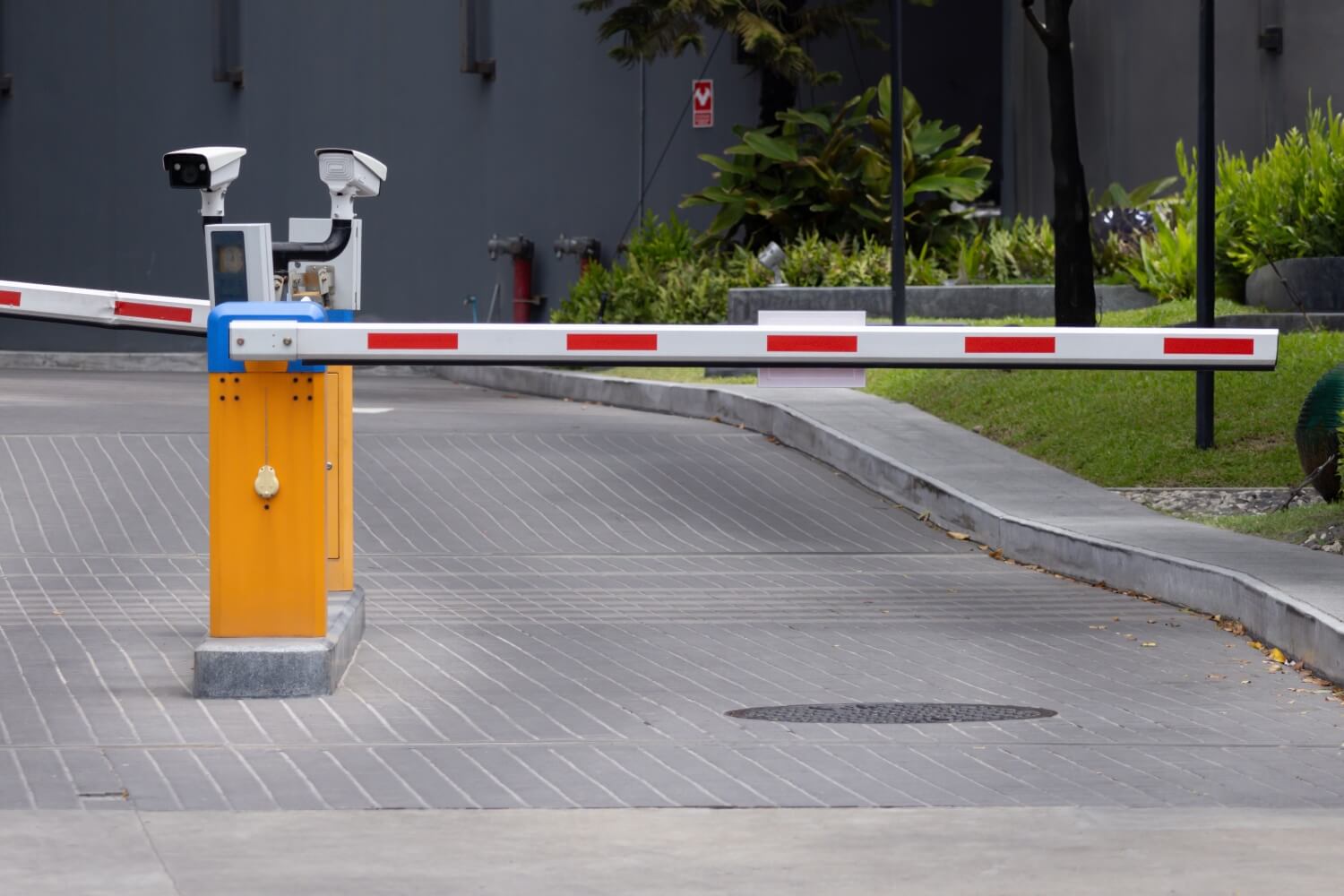
In some facilities, safety is just as important as security. CCTV systems can help track activity in areas where strict protocols must be followed, such as labs, clean rooms, or production floors. Cameras can be used to check for proper use of safety gear or to monitor entrances to restricted areas.
They also make it easier to spot accidents as they happen and respond quickly. By watching over sensitive zones, CCTV helps keep both people and processes in line with safety expectations.
Improve Accountability for Staff and Contractors
Surveillance isn’t just about protecting against outside threats. In many high-risk environments, internal issues like theft, misconduct, or policy violations can be just as damaging. CCTV cameras promote accountability by documenting activity throughout the workday. When people know they’re being recorded, they’re more likely to follow rules and avoid cutting corners.
For management, recorded footage can help resolve disputes, verify time on site, or follow up on complaints. It creates a clearer picture of day-to-day operations and builds a more responsible workplace.
Key Benefits of CCTV Cameras in High-Risk Settings
CCTV cameras offer more than basic surveillance in high-risk environments. When used effectively, they become an important part of a broader risk management strategy. Here are some key benefits:
-
Strengthen perimeter security by giving full visual coverage of entry points and outdoor zones
-
Reduce response times by alerting teams to problems as they develop
-
Help meet regulatory standards by documenting restricted access and safety procedures
-
Lower the risk of false claims in cases involving injuries, theft, or damage
-
Create a secure work environment that supports employee confidence and productivity
-
Support multi-site visibility for companies managing several high-risk locations from a central office.
Each of these benefits contributes to a more secure, well-managed property.
Some Modern CCTV Technologies That Strengthen Risk Management
CCTV systems have evolved far beyond simple video recording. Today’s technologies are designed to actively support risk management by detecting issues, improving oversight, and helping security teams respond faster.
-
Thermal imaging cameras can detect heat signatures, which is helpful for spotting intruders in the dark or identifying overheating equipment before it causes damage.
-
License plate recognition (LPR) helps monitor vehicle access, track entry times, and flag unauthorized vehicles.
-
Pan-tilt-zoom (PTZ) cameras give teams the flexibility to focus on specific areas or follow movement without needing more fixed cameras.
-
Intelligent video analytics can identify crowd buildup, abandoned objects, or access violations in real time.
-
Cloud-connected systems allow footage to be accessed and managed remotely, making them ideal for large properties or multi-site businesses.
Where Should You Place CCTV Cameras in Your High-Risk Property?
Placing cameras in the right spots is just as important as the technology you choose. Poor placement can leave blind spots or result in wasted footage. Here’s where to focus:
-
Main entry and exit points: These areas need reliable facial and activity coverage to track everyone coming and going.
-
Side and emergency exits: Often overlooked, these are common points for unauthorized access.
-
Storage rooms and vaults: Keep an eye on spaces with valuable assets, sensitive documents, or restricted materials.
-
Outdoor perimeters: Watch fences, loading docks, and gates where intrusions are more likely.
-
Hallways and stairwells: These are transition areas where movement should be recorded for a complete view of activity.
-
Shared or high-traffic zones: Monitor lobbies, waiting areas, or break rooms to track daily operations.
When planning placement, you should consider lighting conditions, viewing angles, and the risk level of each location.
Common Mistakes to Avoid When Using CCTV in High-Risk Properties
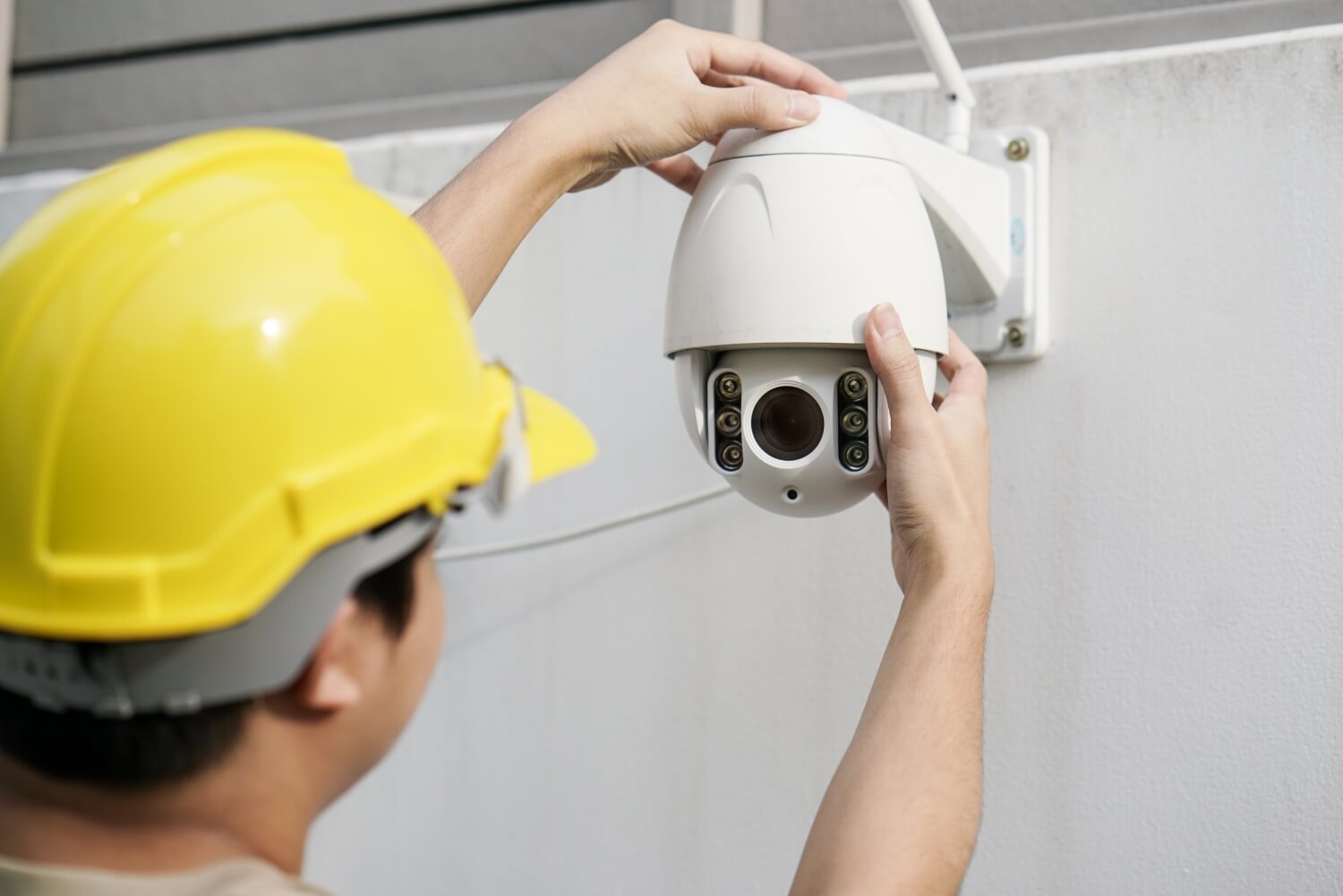
Even with a sound camera system, mistakes in setup or management can weaken your security. Here are common issues that can limit the effectiveness of your CCTV:
-
Overlooking routine system checks: Dust, weather damage, or software bugs can quietly reduce performance. Regular maintenance is essential.
-
Installing too few cameras: Trying to cover too much ground with too few devices leads to large gaps in coverage.
-
Using low-quality video or storage settings: Footage that’s blurry or missing key frames won’t be helpful during investigations.
-
Skipping camera redundancy in critical areas: If one camera fails, you need another view to maintain visibility.
-
Failing to train staff on system use: A well-designed system still needs people who know how to operate it and respond to alerts.
-
Ignoring privacy and signage laws: Failing to inform people that they are being recorded can result in legal trouble, especially in public or shared spaces.
When you avoid these mistakes, you can get the most value from your security investment.
Frequently Asked Questions
What type of CCTV system is best for high-risk properties?
Properties with higher threats often need more than basic video recording. Look for systems with features like motion detection, remote entry monitoring , night vision, and AI video analytics. The right choice depends on the size of your property, risk level, and monitoring needs.
How many cameras do I need for full coverage?
This depends on your property’s layout, number of access points, and high-value zones. A complete security assessment can help map out camera placement and identify how many devices are needed to avoid blind spots.
Can CCTV cameras help reduce insurance premiums?
Some insurers offer discounts for properties with strong surveillance systems, mainly if they include real-time monitoring and video storage. Check with your provider to see what requirements apply.
How do I protect my CCTV system from cyber threats?
Use systems with built-in cybersecurity features, change default passwords, and keep software updated. If your system connects to the internet, network security becomes just as important as physical placement.
Do I need to tell people they’re being recorded?
In most areas, yes. Visible signs near entrances or monitored zones are usually required by law. These signs help meet privacy regulations and act as an added deterrent.
Take Control of Security in High-Risk Environments
Protecting a high-risk property calls for more than basic surveillance. You need a system that does more, detects threats early, supports fast response, and gives you complete visibility across critical zones. From preventing theft to documenting incidents and maintaining compliance, today’s CCTV technology plays an active role in risk reduction.
If you’re looking to strengthen security where it matters most, Pioneer Security offers professionally designed CCTV systems with intelligent alerts, remote monitoring, and video analytics built for demanding environments. Our fixed surveillance solutions help you stay ahead of threats instead of reacting after the fact.
Contact us to start building a system that works the way your property needs!
[/et_pb_text][/et_pb_column][/et_pb_row][/et_pb_section]