[et_pb_section fb_built=”1″ admin_label=”section” _builder_version=”4.16″ global_colors_info=”{}”][et_pb_row admin_label=”row” _builder_version=”4.16″ background_size=”initial” background_position=”top_left” background_repeat=”repeat” global_colors_info=”{}”][et_pb_column type=”4_4″ _builder_version=”4.16″ custom_padding=”|||” global_colors_info=”{}” custom_padding__hover=”|||”][et_pb_text admin_label=”Text” _builder_version=”4.27.4″ background_size=”initial” background_position=”top_left” background_repeat=”repeat” global_colors_info=”{}”]
Security challenges increase significantly after dark, when natural visibility declines, and traditional cameras often fail to capture essential details. This is precisely where night vision and low-light cameras prove their value. These specialized systems are engineered to deliver reliable surveillance in environments with minimal illumination, ensuring safety for homes, businesses, public facilities, and even critical infrastructure.
Research conducted by the U.S. Department of Justice (DOJ) emphasizes that reliable visibility during nighttime operations can reduce crime rates and improve incident resolution in urban environments. With criminal activity peaking in low-light conditions, effective video surveillance solutions are no longer optional; they are vital.
This blog will explain how night vision technologies function, highlight their proven effectiveness, explore sector-specific applications, address compliance requirements, and forecast future advancements.
The Technology and Science of Low-Light Imaging
Night vision cameras integrate optical engineering, infrared illumination, and advanced sensors to function effectively in dark environments. Each component enhances the system’s ability to capture details invisible to the naked eye.
Infrared (IR) Illumination
- Projects infrared beams invisible to humans but detectable by cameras.
- Covers large outdoor areas without drawing attention.
- Ideal for discreet monitoring of perimeters and properties.
Low-Light Sensors (CMOS and CCD)
- CMOS sensors amplify small amounts of available light.
- CCD sensors, though older, still provide superior light sensitivity.
- Combined, they enhance visibility without external lighting.
Thermal Imaging
- Detects differences in heat signatures rather than relying on light.
- Effective for border security, industrial safety, and wildlife monitoring.
- Remains reliable in fog, smoke, or complete darkness.
Spectral Sensitivity and Processing
The U.S. Army Research Laboratory has conducted in-depth studies into how broader spectral sensitivity, expanding the range of wavelengths that sensors can detect, enhances night vision performance, particularly when paired with AI-based motation detection.
Why is low-light imaging technology critical for security cameras?
Low-light imaging lets cameras capture clear images even in darkness or poor lighting, using infrared and sensitive sensors. This ensures continuous, reliable surveillance and accurate identification around the clock.
Real-World Performance and Studies
The effectiveness of night vision systems is not theoretical; it has been tested extensively in real-world scenarios and controlled studies.
DarkVision Dataset Research
- Conducted by the University of Maryland, this dataset evaluates recognition accuracy in extremely low-light conditions.
- Findings indicate a 25% improvement in detecting human activity when using advanced night vision algorithms.
Texas A&M Transportation Study
- A field trial in parking structures showed vehicle thefts dropped by 20% after the installation of low-light cameras..
NIST Image Quality Standards
- The National Institute of Standards and Technology (NIST) confirms that advanced low-light imaging systems improve incident detection by 30% compared to legacy cameras.
These findings consistently demonstrate that night vision technologies improve both deterrence and response capabilities.
Cost and Operational Advantages
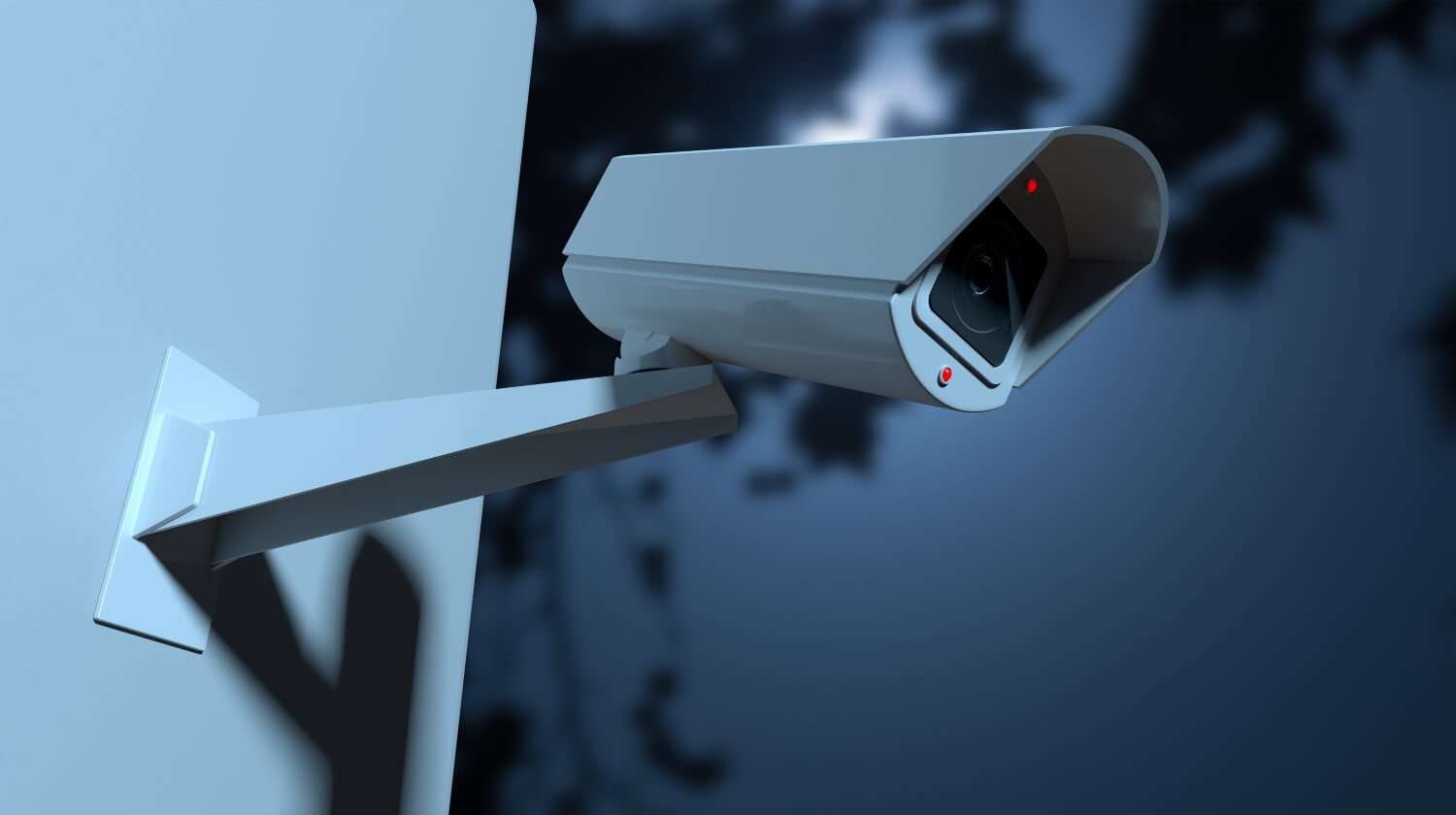
While the upfront investment in night vision cameras may appear higher than standard systems, the long-term financial and operational benefits outweigh the costs.
Reduced Lighting Expenses
- Minimize reliance on floodlights and outdoor illumination.
- Lower electricity bills and maintenance of external lights.
Operational Efficiency
- Continuous 24/7 monitoring without increased staff requirements.
- Cameras replace some physical patrols, reducing labor costs.
Incident Prevention and Liability Reduction
- Clearer evidence in theft, vandalism, or accident cases reduces insurance claims.
- Mitigates potential lawsuits related to inadequate safety measures.
Return on Investment (ROI)
- The DOJ highlights that proactive surveillance reduces repeat crimes, which translates into measurable long-term savings.
- Lower lighting and staffing expenses enhance overall value.
Investing in night vision technology is not just about safety; it is a financially responsible decision with lasting impact.
Intelligent Features Enhance Effectiveness
Beyond visibility, modern night vision systems incorporate advanced digital features that elevate security operations.
AI-Driven Image Processing
- Filters environmental noise such as rain, shadows, or small animals.
- Recognizes unusual patterns like loitering or perimeter breaches.
Integration with Security Ecosystems
- Connects seamlessly with alarms, access control, and motion detectors.
- Provides mobile alerts and remote access, enabling off-site monitoring.
Predictive Analytics
- Identifies trends to anticipate risks before they escalate.
- Useful for high-traffic commercial areas and critical facilities.
According to NIST research, AI-assisted low-light imaging enhances operator decision-making accuracy by 35%, reducing errors in threat recognition.
These innovations shift night vision cameras from reactive tools into proactive guardians of security.
Applications Across Security Sectors
Night vision cameras are essential across a wide range of industries and environments.
Residential and Community Safety
- Protects entry points, garages, and outdoor spaces.
- DOJ findings link low-light surveillance with fewer burglary attempts (BJA – DOJ).
Commercial Protection
- Monitors warehouses, offices, and retail stores after hours.
- NIST studies show accuracy increases by 30% in business surveillance with enhanced low-light imaging.
Transportation and Public Safety
- Airports, ports, and subways rely on low-light systems to monitor restricted zones.
- The Federal Highway Administration highlights that night vision cameras reduce roadside crime and dumping incidents (FHWA.gov).
Critical Infrastructure Defense
- Facilities such as power plants and water treatment centers use them for continuous protection.
- In each sector, the adoption of low-light cameras aligns with broader strategies for risk reduction and safety improvement.
Regulatory Standards and Compliance
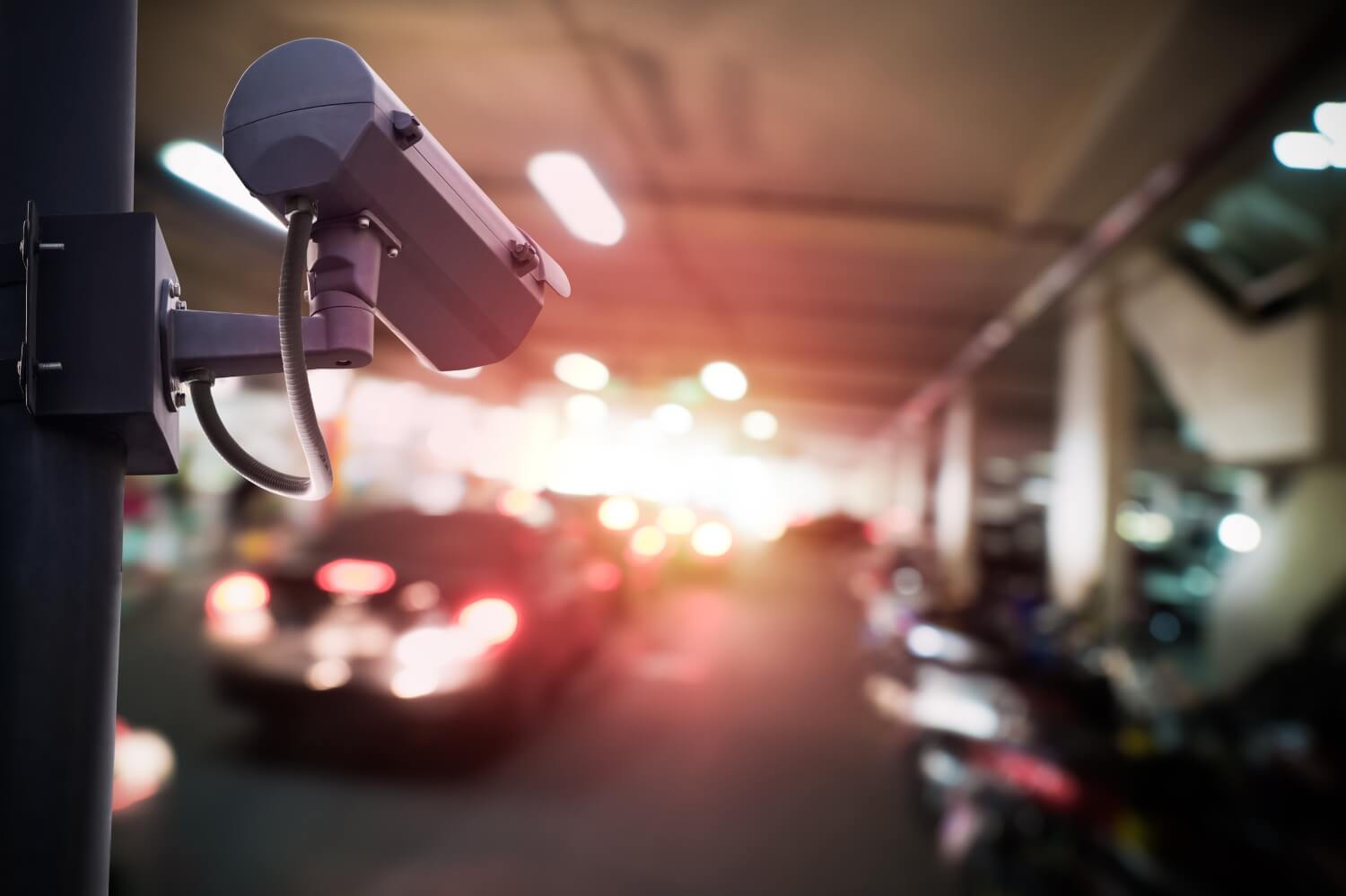
Ensuring that night vision systems meet legal and technical standards is critical to their reliability and acceptance.
Government Validation
- The U.S. Army Research Laboratory evaluates night vision technologies for resilience and effectiveness in tactical and security applications.
Law Enforcement Guidelines
- The National Institute of Justice (NIJ) outlines specific standards for surveillance tools used by police, ensuring quality and reliability.
Privacy Protections
- Surveillance deployments must comply with federal and local privacy laws.
Military Standards
- MIL-STD compliance ensures cameras withstand extreme vibration, shock, and weather conditions.
- Guarantees durability for border, defense, and tactical operations.
Compliance is not optional; it ensures credibility, reliability, and public trust.
Future Outlook: Trends and Insights
As urbanization and security demands grow, night vision systems will continue to evolve.
AI Integration and Deep Learning
- More innovative algorithms will further reduce false positives.
- Predictive monitoring will anticipate threats instead of only recording them.
Edge Computing
- Cameras will process data locally, reducing delays in incident response.
- Enhances speed in decision-making for high-security environments.
Smart City Applications
- Low-light cameras will become part of urban safety networks.
- The World Economic Forum highlights surveillance technology as a cornerstone of safe, resilient cities.
Next-Generation Imaging
- Hybrid solutions combining thermal imaging, IR, and AI will blur the line between human and machine-level perception.
The future of security lies in adaptive, intelligent systems that operate seamlessly across environments and conditions.
Protect What Matters with Rugged Security
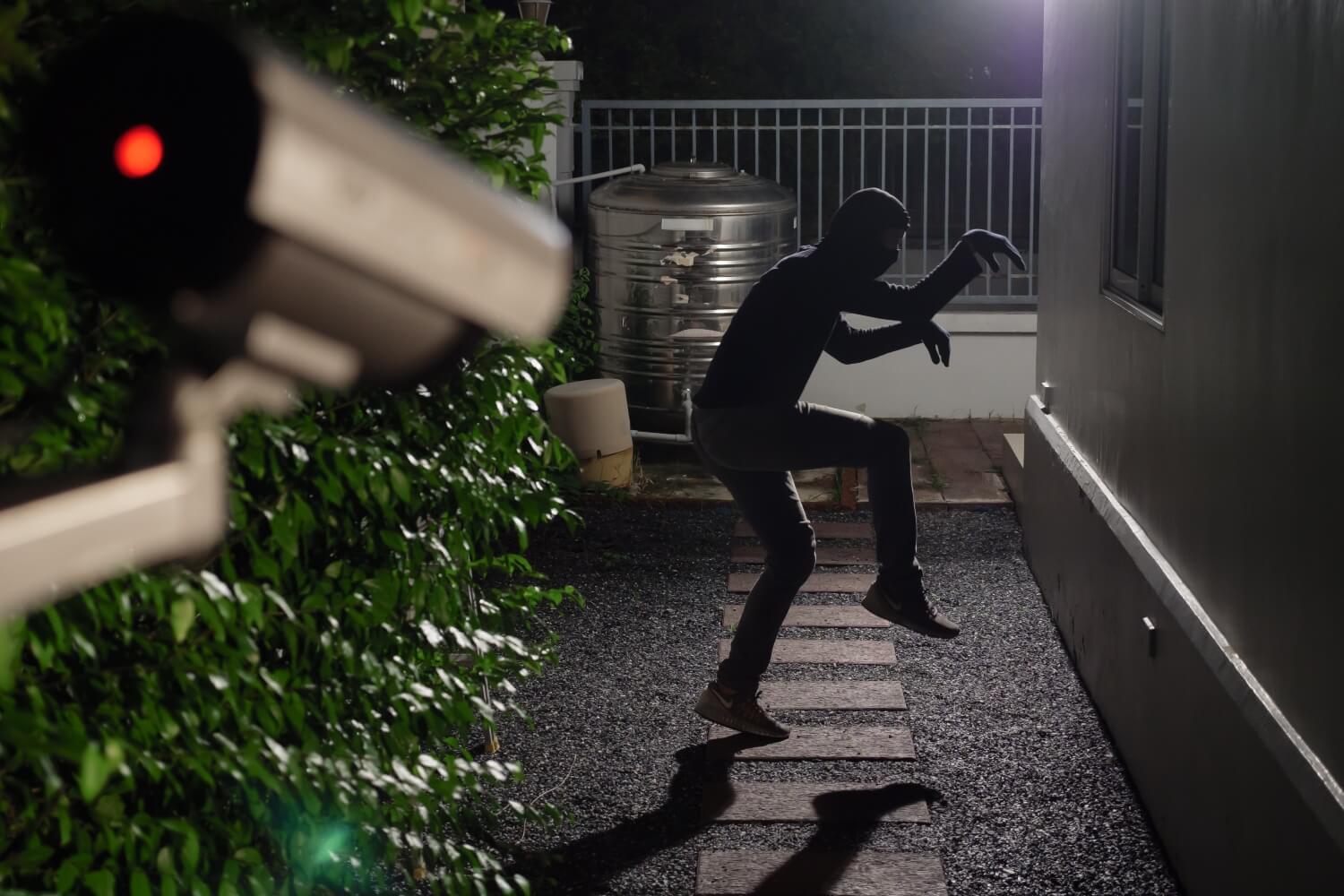
Night vision and low-light cameras provide a level of reliability unmatched by traditional surveillance systems. By delivering visibility when it is needed most, they deter crime, support law enforcement, and protect critical assets. Backed by rigorous studies, aligned with compliance standards, and enhanced by artificial intelligence, these systems represent the future of proactive security.
Ready to upgrade your security with advanced low-light solutions? Visit Pioneer Security to explore reliable systems designed to protect in every condition.
Frequently Asked Questions
What is the difference between night vision and low-light cameras?
Night vision cameras use infrared or thermal imaging to see in total darkness, while low-light cameras amplify minimal ambient light to produce more explicit images in dim conditions.
Do night vision cameras work in complete darkness?
Yes. Cameras with infrared or thermal imaging can capture clear visuals even in zero-light environments, making them suitable for outdoor or remote monitoring.
Are night vision security cameras legal to use?
In most regions, they are legal for private and commercial use. However, surveillance in public spaces must comply with local and federal privacy laws, as noted by the U.S. Government Accountability Office.
How far can night vision cameras see?
The range varies by model, but many advanced systems capture images clearly from 100 to 300 feet in darkness. Thermal cameras often extend even further depending on conditions.
Do night vision cameras increase property value?
Yes. Security upgrades, including low-light cameras, can improve property value by enhancing safety features, reducing risks, and lowering insurance premiums.
[/et_pb_text][/et_pb_column][/et_pb_row][/et_pb_section]