[et_pb_section fb_built=”1″ admin_label=”section” _builder_version=”4.16″ global_colors_info=”{}”][et_pb_row admin_label=”row” _builder_version=”4.16″ background_size=”initial” background_position=”top_left” background_repeat=”repeat” global_colors_info=”{}”][et_pb_column type=”4_4″ _builder_version=”4.16″ custom_padding=”|||” global_colors_info=”{}” custom_padding__hover=”|||”][et_pb_text admin_label=”Text” _builder_version=”4.27.4″ background_size=”initial” background_position=”top_left” background_repeat=”repeat” global_colors_info=”{}”]
Weatherproof camera systems are designed to operate reliably in rain, snow, heat, or dust, conditions that often disable standard surveillance equipment. Their resilience ensPerformance Through Harsh Conditionsures continuous monitoring and long-term protection across homes, businesses, and public spaces. According to rigorous industry testing protocols, security cameras designed to meet standards like IP66/IP67 and IK10+ exhibit exceptional resilience, withstanding impacts, water pressure, dust, temperature extremes, and vibration, making them significantly more reliable in challenging outdoor conditions.
In this blog, you will learn what makes a camera weatherproof, how these systems perform in extreme environments, their financial and operational advantages, the role of innovative features, proven security impacts, and future innovations shaping surveillance technology.
Durability Defined by Technical Standards
Understanding technical specifications is essential in selecting a camera that withstands the elements and ensures lasting performance.
IP and IK Ratings Protect Components
Weatherproof cameras are rigorously tested and assigned IP (Ingress Protection) and IK (impact resistance) ratings:
- IP Ratings (IP65, IP66, IP67) ensure protection against dust and powerful water jets; IP67 even allows temporary immersion, critical for flood-prone zones.
- IK10 rating certifies resistance against physical attacks and vandalism; cameras must endure impacts equivalent to 20 joules to achieve IK10.
- Durable enclosures typically use polycarbonate or metal alloys. They are engineered to meet shipping vibration tests that simulate thousands of miles of travel, as seen in standard ISO vibration protocols and laboratory abrasion.
These rigorous standards translate into:
- Enhanced reliability under extreme weather and physical stress
- Reduced field failures and costly replacements
- Longevity in hazardous environments, such as construction sites or exposed perimeters
Environmental Resilience
Weatherproof cameras withstand not only rain and snow but also thermal extremes and environmental debris thanks to built-in resilience features:
- Temperature extremes: Lab tests use ±15 °C beyond operating ranges to verify lens clarity and circuitry performance in heatwaves or freezing conditions.
- Humidity and condensation control: Built-in seals and purge systems prevent internal fogging or frost buildup, preserving image clarity.
- Abrasion testing: Lenses and protective domes undergo cycles of abrasive cleaning and pressure to ensure scratches or residue don’t impact image quality over time.
Together, these elements ensure that even in remote or harsh regions, cameras remain operational, providing uninterrupted security.
Why Are IP and IK Ratings Crucial for Security Cameras?
They ensure cameras can withstand harsh weather, dust, water, and physical impacts, guaranteeing reliable performance and longevity in challenging environments.
Performance Through Harsh Conditions
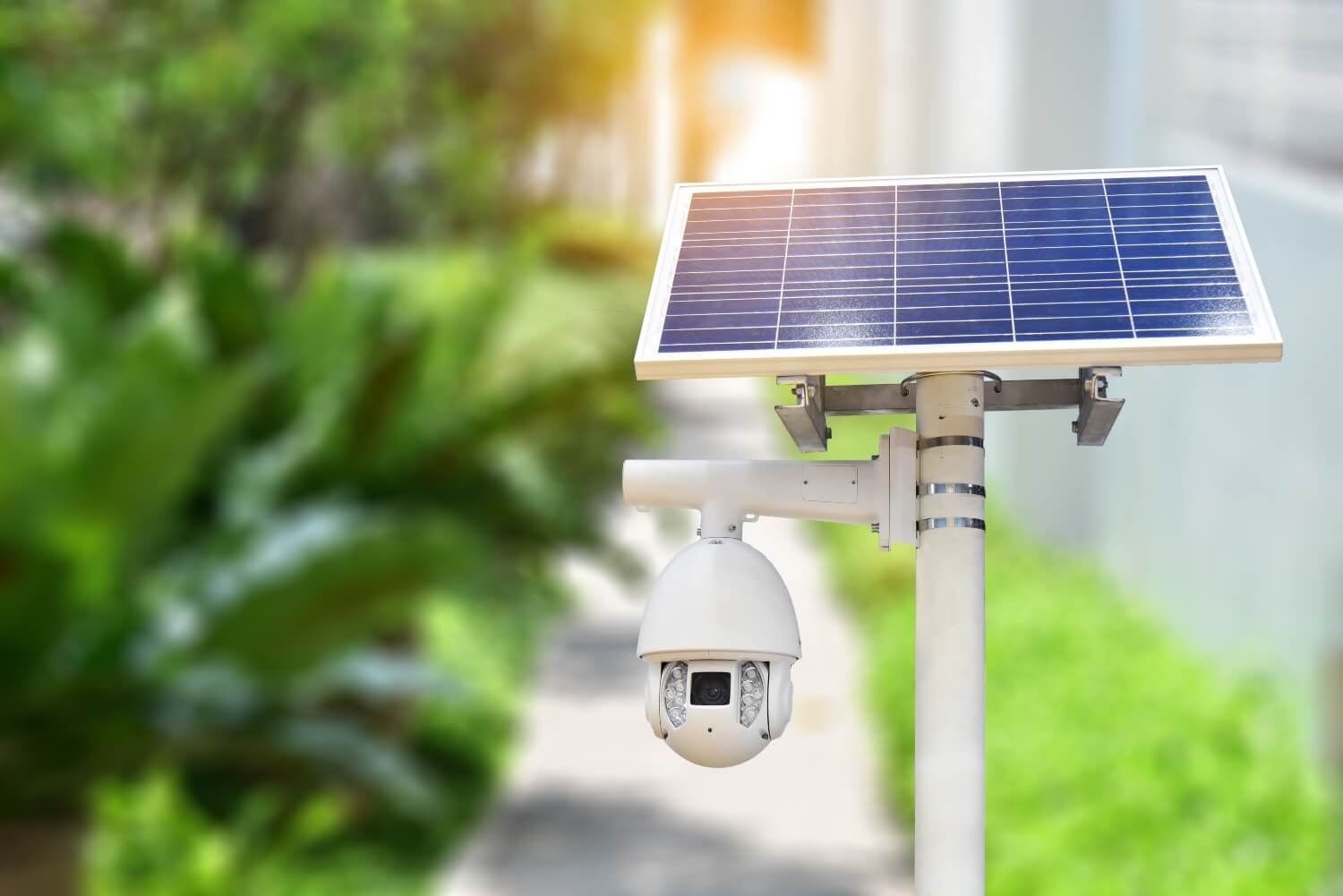
Systematic research and real-world performance data affirm that weatherproof camera systems truly excel under severe conditions.
Rain, Dust, and Wind Adaptation
Outdoor cameras often face environments defined by relentless rain, airborne particles, and high winds. But weatherproof models counter these threats through:
- Sealed housings that prevent water ingress, protecting internal sensors
- Anti-fog optics that maintain crisp visuals in humid or freezing air
- Stable mounting hardware designed to resist wind-induced shake and alignment shifts
Corrosion Resistance and Longevity
Long-term exposure to moisture, salt air, or contaminants can degrade non-weatherproof cameras quickly. Corrosion leads to:
- Electrical resistance increases
- Unreliable connections
- Degraded image clarity due to optic fatigue
Industry-standard guidelines recommend the use of marine-grade coatings, stainless-steel connectors, and multi-layer protective systems to safeguard surveillance equipment in coastal and high-humidity regions. For example, ISO 12944-2 classifies corrosivity zones (from C1 for low corrosion to C5-M for very high marine corrosion).
These protective measures ensure:
- Steady performance in corrosive environments
- Lower maintenance frequency
- Predictable system lifecycles in demanding conditions
Cost Benefits of Long-Lasting Design
Durability isn’t just about hardiness; it’s directly tied to cost efficiency and operational reliability.
Reduced Maintenance Needs
Weatherproof systems significantly lower maintenance demands through their sturdy construction. The effects include:
- Fewer emergency service calls due to environmental failure
- Reduced spare parts and labor expenses
- Predictable maintenance cycles, simplifying budgeting
- Extended uptime is crucial in high-security settings
Organizations operating multiple sites, whether campuses, city facilities, or distributed retail, benefit especially from lower cumulative service and replacement costs. The combined effect supports a leaner, more reliable infrastructure.
Stronger ROI Over Time
Though upfront costs for weatherproof models may be higher, the total cost of ownership (TCO) becomes favorable when considering durability and reduced failure rates.
- Weatherproof models avoid premature replacement cycles common in standard equipment
- Downtime is minimized, critical in active video surveillance zones like transport hubs.
- Reliability supports insurance and compliance standards, reducing liability
Market research predicts the global weatherproof camera market will expand significantly, driven by reliability and integration demands, with cost efficiency as a core motivation. This long-term growth underpins the financial advantage of investing in durable systems.
Smart Features Boost Effectiveness
Rugged hardware becomes far more impactful when paired with modern, intelligent functionality.
Remote Access and Cloud Integration
Modern AI systems enable users to access live feeds securely via the cloud, even in inclement weather. Key features include:
- Encrypted connections for safe remote viewing.
- HD video and wide-angle lenses for comprehensive coverage.
- Two-way audio to communicate in real-time monitoring.
- Edge-based analytics that reduce bandwidth usage and permit offline intelligence.
Research and Markets cloud surveillance insight considers the increasing trend in cloud-based surveillance adoption, the combination of durability and remote access makes weatherproof systems indispensable in distributed and unattended environments.
Ecosystem Integration
Weatherproof cameras now serve as intelligent nodes within broader security architectures:
- Motion-based trigger alerts initiate responses like lights or alarms
- AI analytics detect and flag unusual behavior accurately
- IoT platforms integrate locks, lighting, and sensors for unified automation
- Scalable dashboards consolidate alerts and video in real time
These integrations effectively transform cameras from passive recorders to proactive risk mitigators, supporting quick, informed responses even when direct monitoring is limited.
Real-World Impact on Security Outcomes
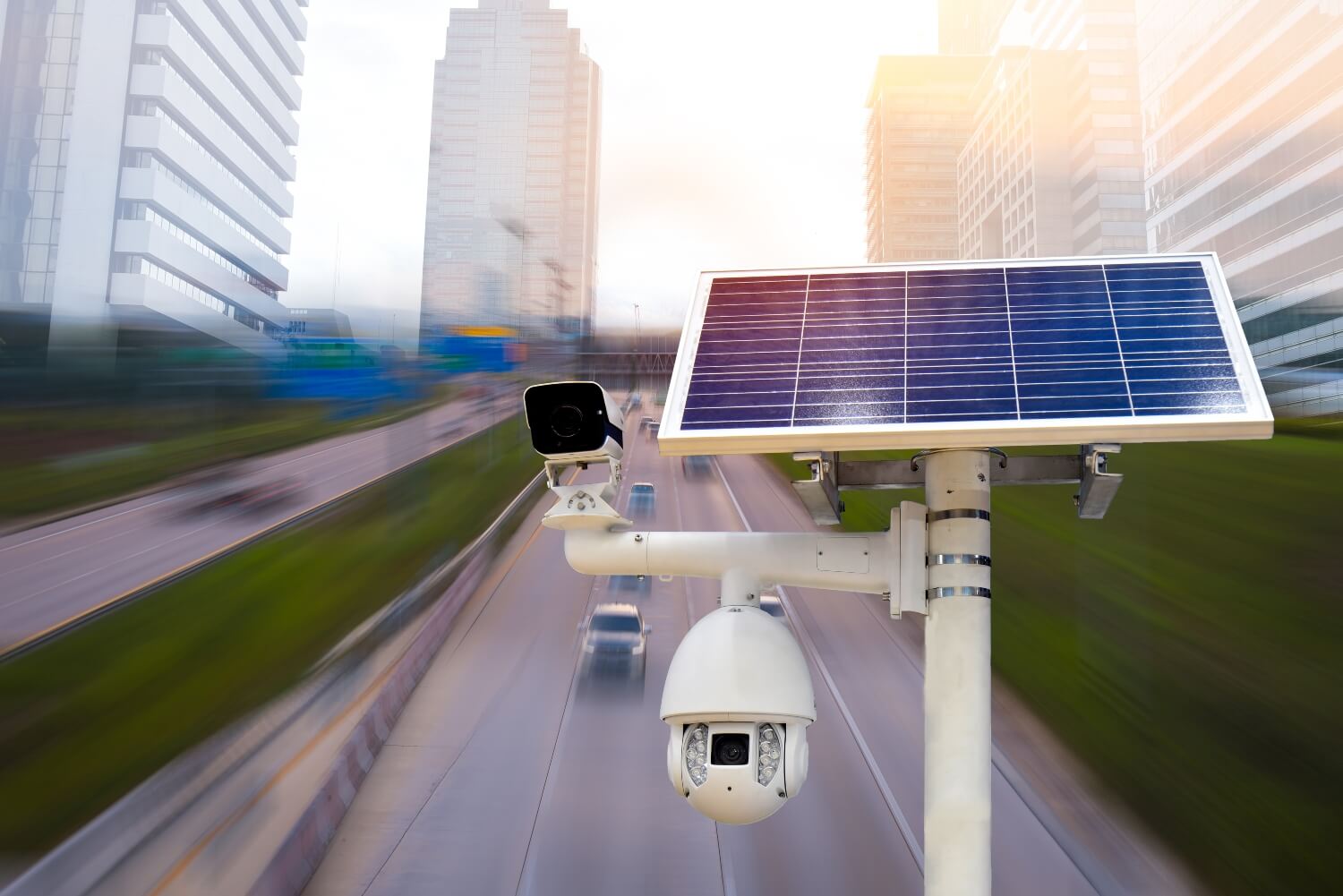
Evidence-based studies highlight the tangible impact of hardy surveillance systems across sectors.
Crime Deterrence and Risk Reduction
Data from the Department of Justice shows that visible, functioning cameras in public areas, like parking lots, when paired with signage, reduce crime by elevating perceived risk to offenders. These deterrent outcomes are maximized when systems remain functional despite the elements, ensuring a consistent presence.
Reliable Evidence and Accountability
Weatherproof cameras guarantee:
- Uninterrupted recording, even through storms or temperature extremes
- Court-admissible footage for criminal cases or insurance claims
- Timestamped evidence that leaves little ambiguity
Such dependability supports legal and administrative processes, delivering peace of mind for homeowners, businesses, and public safety agencies.
Future Trends in Weatherproof Surveillance
The surveillance industry continues evolving, combining resilience with cutting-edge intelligence to meet mounting demands.
Market Growth & Innovation
Global markets anticipate strong growth in weatherproof camera adoption, driven by urbanization, smart infrastructure, and integration needs. Key forecasts include:
- Expanding use in smart city deployments, from traffic surveillance to crowd management
- Strong growth in institutional and industrial applications as reliability becomes essential
- Features like night vision, AI-based analytics, and wireless connectivity are standard design elements now.
These trends place weatherproof cameras at the center of scalable, data-driven security.
Emerging Technologies
Innovation continues to elevate functionality, in both autonomy and deployment flexibility:
- Solar-powered models enable off-grid placement in remote or inhospitable zones
- Edge computing enables faster processing and reduces reliance on bandwidth
- Self-cleaning or hydrophobic lens coatings minimize maintenance requirements
- Smart alerts provide real-time anomaly detection, whether via sound, heat, or behavioral shifts
These features not only enhance reliability but also reduce operational overhead, especially in unattended or critical infrastructure setups.
Guard Your Space with Trusted All-Weather Security
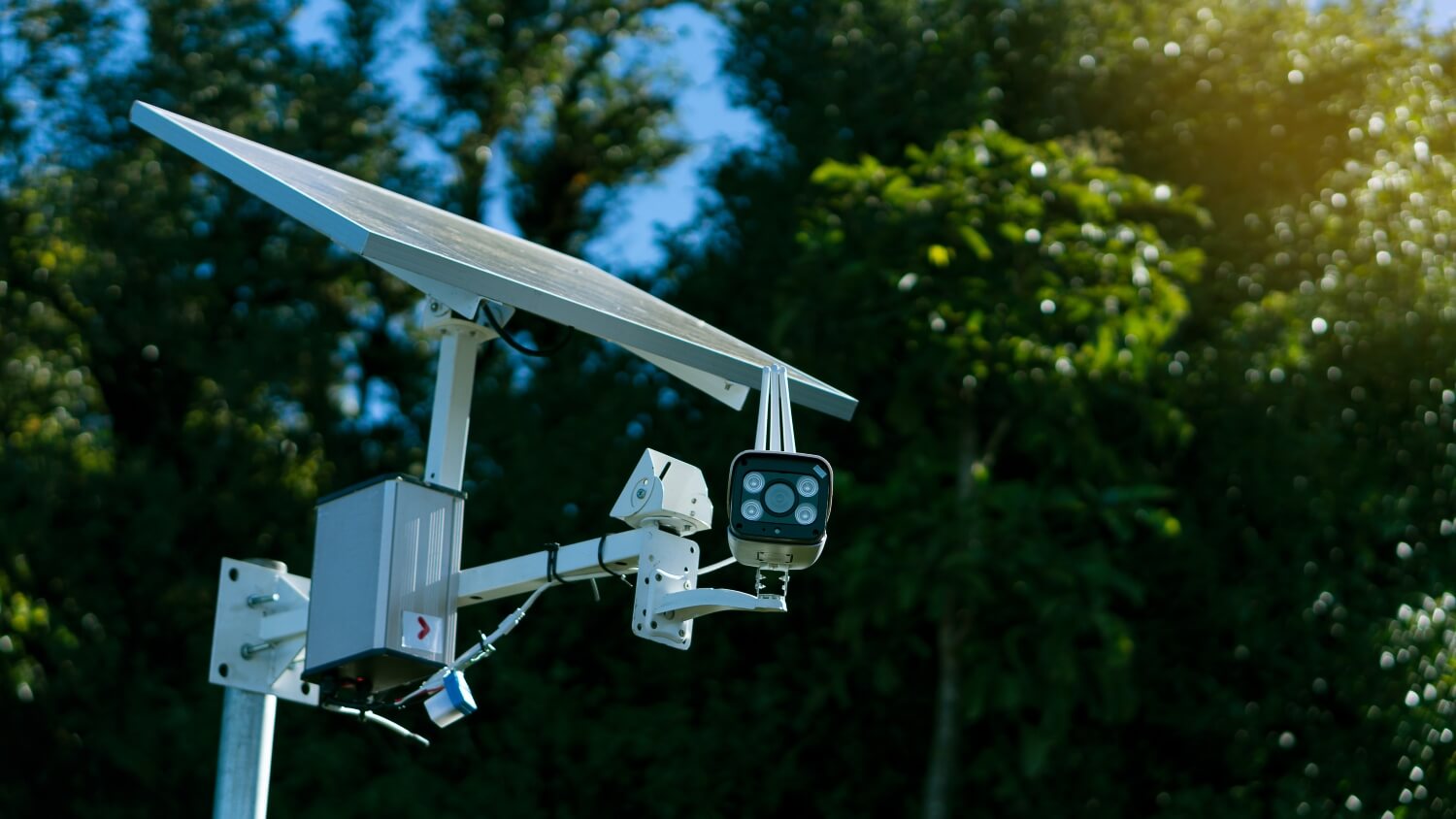
Weatherproof camera systems combine rugged resilience with intelligent functionality to deliver superior security in any environment. Built to IP and IK standards, they resist weather, corrosion, and physical stress, reducing maintenance, ensuring uptime, and yielding strong long-term value. Enhanced with remote access, analytics, and ecosystem integration, these systems actively deter threats and support safer, more accountable spaces. As their adoption grows globally, driven by smart infrastructure demands and innovation, the next generation of weatherproof cameras will further blur the line between passive surveillance and proactive safety solutions. In rain or shine, these systems keep us secure, supported, and confident.
Ready to upgrade your security with reliable, weatherproof camera solutions? Visit Pioneer Security to explore systems designed to protect your property in any condition.
Frequently Asked Questions
What does weatherproof mean for security cameras?
Weatherproof cameras are designed to resist water, dust, and harsh environmental conditions. They maintain performance even in heavy rain, snow, or extreme temperatures.
Can weatherproof cameras work in extreme cold or heat?
Yes. Many models are tested to operate in temperatures ranging from -40°F to 140°F, ensuring reliability in both freezing winters and hot summers.
Do weatherproof cameras require special maintenance?
Minimal maintenance is needed. Regular lens cleaning and checking seals are usually enough to keep them functioning effectively.
Are weatherproof cameras more expensive than regular cameras?
They may have a higher upfront cost, but they save money over time by reducing repairs, replacements, and downtime caused by environmental damage.
Where are weatherproof cameras most commonly used?
They are widely used in outdoor settings such as parking lots, construction sites, transport hubs, and critical infrastructure facilities where exposure to harsh weather is constant.
[/et_pb_text][/et_pb_column][/et_pb_row][/et_pb_section]