[et_pb_section fb_built=”1″ admin_label=”section” _builder_version=”4.16″ global_colors_info=”{}”][et_pb_row admin_label=”row” _builder_version=”4.16″ background_size=”initial” background_position=”top_left” background_repeat=”repeat” global_colors_info=”{}”][et_pb_column type=”4_4″ _builder_version=”4.16″ custom_padding=”|||” global_colors_info=”{}” custom_padding__hover=”|||”][et_pb_text admin_label=”Text” _builder_version=”4.27.4″ background_size=”initial” background_position=”top_left” background_repeat=”repeat” global_colors_info=”{}”]
Security operations often face staffing gaps, missed patrols, and fatigue-related errors due to poorly managed shift schedules. These weaknesses create vulnerabilities, making properties and sensitive areas more susceptible to breaches and delayed incident response. Monitoring and optimizing shift schedules solves this problem by ensuring proper coverage, balanced workloads, and timely coordination between guards and supervisors. This approach strengthens operational efficiency and overall security.
Let’s explore how monitoring shift schedules improves security, covering its benefits, processes, technologies, and best practices for modern security management.
What Is Shift Schedule Monitoring in Security Operations?
Shift schedule monitoring involves tracking, managing, and adjusting security guard shifts to maintain full coverage of protected areas.
-
Subject: Shift monitoring system
-
Predicate: Coordinates
-
Object: Guard schedules for continuous security
Unlike static timetables, monitored schedules adapt to real-time staffing needs, incident detection, and site-specific risks. Supervisors use scheduling tools and analytics to prevent overlapping or missing shifts, ensuring no area is left unprotected.
Key Characteristics
-
Provides real-time monitoring of guard positions and availability
-
Automates shift assignments based on skill levels and certifications
-
Tracks attendance and patrol compliance
-
Integrates with incident response systems for seamless coordination
-
Optimizes workload distribution to reduce fatigue
Organizations using schedule monitoring tools report a 30–40% improvement in coverage consistency and fewer missed patrols.
How Does Monitoring Shift Schedules Improve Security?
Effective shift monitoring strengthens multiple aspects of security management.
1. Ensures Continuous Security Coverage
Monitoring prevents understaffed shifts or double-booked guards, maintaining full-site protection at all times.
-
Example: A corporate campus avoided unguarded entry points after automated alerts flagged an unassigned night shift.
-
Scheduling software balances staffing for peak hours, special events, or emergencies.
2. Reduces Human Fatigue and Errors
Long, unbalanced shifts lead to guard fatigue, slowing reaction times, and increasing mistakes. Monitoring allows supervisors to adjust workloads and introduce proper rest periods.
-
Fatigue-related security breaches decrease by up to 25% when schedules are optimized.
-
Guards maintain better alertness during patrols and incident responses.
3. Improves Incident Response Times
Properly monitored shifts ensure the right number of guards with the correct skill set are available when incidents occur.
-
Supervisors can quickly redeploy off-duty or backup staff if a shift runs short.
-
Average response times drop significantly when schedules are proactively adjusted.
4. Enhances Accountability and Compliance
With real-time tracking, supervisors know who is on duty, where they are located, and whether they have completed assigned rounds.
-
Automated logs simplify compliance with regulations such as OSHA or state-level security mandates.
-
Digital records support audits and insurance claims after incidents.
5. Strengthens Communication and Coordination
Monitoring systems enable instant communication between guards and supervisors for schedule changes or emergency redeployments.
-
Guard handovers between shifts become smoother, reducing operational disruptions.
-
Teams stay synchronized, especially during multi-site security operations.
Technologies Enabling Shift Schedule Monitoring
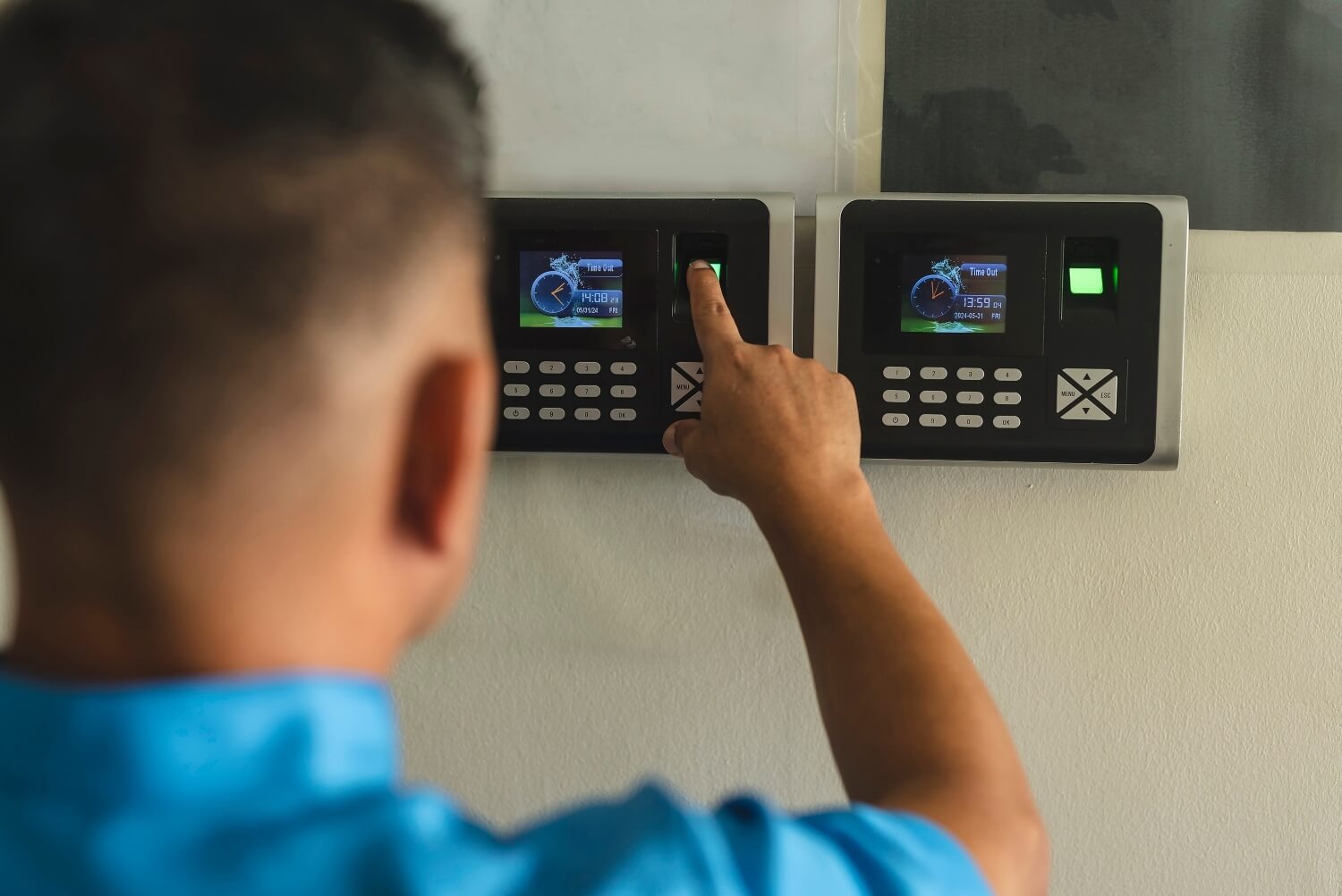
Modern tools automate and optimize shift management, ensuring no manual errors.
Workforce Management Software
-
Automates shift assignments and alerts for understaffing
-
Provides dashboards showing live coverage status
-
Generates reports for performance evaluation
Mobile Applications
-
Allow guards to check schedules, clock in/out, and receive updates
-
Enable GPS-based attendance verification for patrols
-
Support real-time incident reporting during shifts
AI and Predictive Analytics
-
Analyze historical data to forecast peak staffing needs
-
Adjust schedules dynamically for special events or seasonal demands
-
Reduce overtime costs while maintaining security effectiveness
IoT and Time-Tracking Devices
-
Monitor guard movements across checkpoints
-
Ensure patrols are completed on schedule
-
Detect schedule deviations automatically
Benefits of Monitoring Shift Schedules
Implementing schedule monitoring provides measurable security and operational advantages.
Improved Coverage Reliability
-
Eliminates coverage gaps and ensures continuous protection
-
Reduces the risk of unauthorized entry due to absent guards
Cost Optimization
-
Minimizes unnecessary overtime by balancing shifts
-
Increases the efficiency of manpower utilization
Higher Staff Morale
-
Fair shift distribution prevents overworking specific guards
-
Guards have a better work-life balance, improving job satisfaction
Enhanced Risk Management
-
Rapidly fills scheduling gaps during emergencies
-
Ensures qualified personnel are deployed for high-risk zones
Stronger Incident Documentation
-
Digital logs show exact shift details during investigations
-
Helps defend against liability claims and strengthen audits
Use Cases of Shift Schedule Monitoring
Different industries benefit from structured shift monitoring tailored to their security needs.
Industry |
Use Case |
Security Benefit |
|
Corporate Offices |
Multi-building shift management |
Consistent lobby and parking lot surveillance |
|
Healthcare |
24/7 hospital security guard rotations |
Maintains patient and staff safety |
|
Manufacturing |
Hazardous area patrol scheduling |
Prevents accidents and secures restricted zones |
|
Retail |
Seasonal staff allocation for peak hours |
Deters shoplifting and crowd mismanagement |
|
Critical Infrastructure |
Continuous site surveillance |
Protects utilities and transportation hubs |
Challenges in Monitoring Shift Schedules
Organizations face operational and technical hurdles in adopting schedule monitoring.
-
Resistance to change from manually managed teams
-
High initial costs for advanced scheduling systems
-
Integration issues with legacy access control systems
-
Ensuring real-time data accuracy across multiple locations
-
Need for training staff on new digital tools
Overcoming these challenges involves phased rollouts, staff engagement programs, and selecting scalable technology solutions.
Best Practices for Effective Shift Monitoring

-
Conduct staffing assessments to identify gaps and risks
-
Use automated tools for scheduling and attendance tracking
-
Regularly review and adjust shifts based on incident trends
-
Cross-train guards to handle multiple roles for flexibility
-
Implement backup rosters for sudden absences or emergencies
-
Maintain transparent communication about scheduling decisions
Following these practices results in smoother shift transitions and up to 35% fewer operational disruptions.
Frequently Asked Questions
How does monitoring shift schedules improve overall security?
It ensures complete coverage, reduces fatigue, and improves response times by balancing staffing and maintaining guard availability.
Can existing manual scheduling processes be upgraded to automated systems?
Yes. Workforce management platforms can import current schedules and gradually automate assignments and monitoring.
Does shift monitoring help with regulatory compliance?
Yes. Digital logs and attendance tracking support audits and help meet labor and security regulations.
How does real-time monitoring reduce incident response delays?
Supervisors instantly know when shifts are understaffed and can deploy additional guards or redirect patrols to critical zones.
What is the ROI of implementing schedule monitoring?
Organizations save on overtime costs, avoid security breaches, and improve operational efficiency, leading to 25–40% long-term savings.
Strengthen Security with Smart Shift Monitoring Through Pioneer Security
Monitoring shift schedules transforms security operations from reactive staffing to proactive, data-driven coverage management. It prevents lapses in protection, optimizes manpower, and improves incident handling efficiency. With modern tools and best practices, businesses achieve stronger security outcomes with less operational strain.
Pioneer Security specializes in implementing advanced shift monitoring solutions tailored to your facility’s needs. Contact our team today to ensure 24/7 coverage and improved security efficiency.
[/et_pb_text][/et_pb_column][/et_pb_row][/et_pb_section]